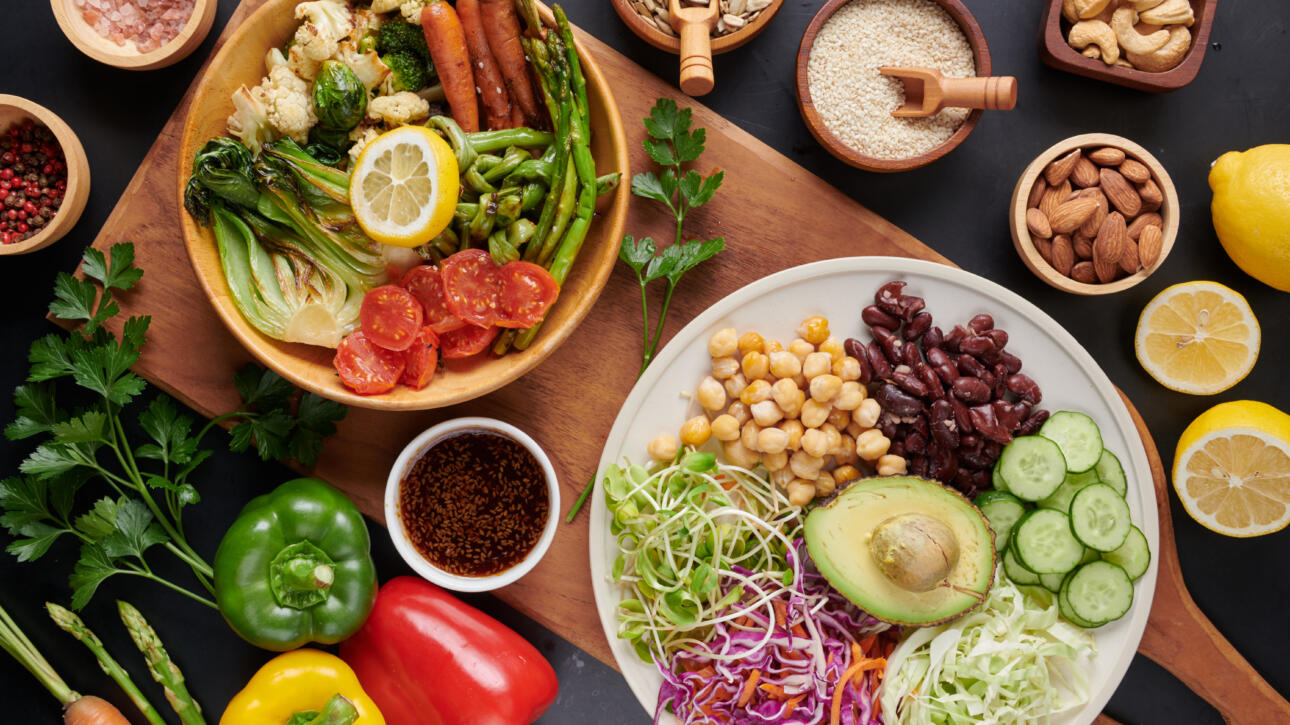
10 FAQs on HEALTHY EATING AND JUNK FOOD
- What is junk food? How much and how often junk food can be allowed for a child in a week?
- As working parents, we are dependent on breads, cheese, cornflakes, etc. Are they healthy?
- How is junk food harmful to body?
- What are healthy food options for babies, toddlers, and young children?
- My baby likes juices and shakes. Are they healthy and how much can I give?
- I have started adding milk supplements to my toddler’s milk. I heard in TV that they give lot of energy, vitamins, and
minerals. Is this true? What is the right age to give? - We prepare all sorts of delicacies such as pizza, burger, samosa, kulfi, etc., at home. Are they still junk food? Are traditional
foods such as halwa, poori, and sewaiyaan also junk food? - Which oil should be used to cook food? Is it good to prepare food in desi ghee and butter? What is recycling of oil?
- My child is not ready to eat home food. What should I do?
- My 14-year-old son takes lot of tea and coffee (four to five cups per day), especially during examination time to stay awake
but still feels sleepy. Some of his friends have suggested some energy drinks for the same but I am very apprehensive
about it. Please guide me what is right for him.
Q1. What is junk food? How much and how often junk food can be allowed for a child in a week?
What is junk food?
Junk food refers to foods that are high in calories but low in essential nutrients. These foods typically contain high amounts of sugar, salt, unhealthy fats (trans fats or saturated fats), and artificial additives. Examples include:
Chips and crisps
Sugary sodas and energy drinks
Candy and chocolates
Fast food (burgers, fries, pizzas)
Packaged snacks and baked goods (like cookies, pastries)
How much and how often can it be allowed for a child in a week?
While it’s best to minimize junk food, complete restriction can lead to cravings and overeating. A balanced approach is healthier. General guidance:
Frequency: Limit junk food to once or twice a week (e.g., a weekend treat or a small serving during a special occasion).
Portion: Keep portions small—such as one small packet of chips or one scoop of ice cream—not full-size servings.
Balance: Always ensure the child’s diet is mostly composed of nutritious foods like fruits, vegetables, whole grains, lean proteins, and dairy.
Tips for Parents:
Avoid using junk food as a reward.
Offer healthier alternatives like homemade popcorn, fruit smoothies, or baked snacks.
Educate children about making good food choices.
As working parents, we are dependent on breads, cornflakes, etc. Are they healthy?
Are breads, cornflakes, etc., healthy?
It depends on the type and quantity. Not all breads or breakfast cereals are unhealthy, but many processed options can be high in refined flour, sugar, and additives.
- Bread
✅ Healthier Options:
Whole grain or multigrain bread (look for “100% whole wheat” on the label)
Breads with seeds, oats, or rye
Breads with high fiber (3g or more per slice)
🚫 Less Healthy:
White bread (made with refined flour)
Sweetened or flavored breads (e.g., fruit bread, milk bread)
Long shelf-life breads with preservatives
- Cornflakes
✅ Better Options:
Plain, unsweetened cornflakes in moderate amounts
Pair with milk + fruits to add protein and fiber
🚫 Watch Out For:
Flavored or sugar-coated cornflakes (like honey, chocolate versions)
Eating large portions without protein/fiber can cause a sugar spike and hunger soon after
Suggestions for Busy Parents:
Mix it up: Alternate between easy, healthy breakfasts like:
Overnight oats with fruits
Boiled eggs + whole wheat toast
Greek yogurt + banana
Homemade poha/upma with vegetables
Meal prep: You can pre-chop veggies or make dough in advance for quick weekday use.
Conclusion:
👉 Bread and cornflakes can be part of a healthy diet if you choose the right types and balance them with protein, fiber, and fruits/vegetables.
👉 They’re convenient, but try to limit processed, sugary versions and read nutrition labels carefully.
How is junk food harmful to body?
- Nutritional Deficiency
Junk food is high in calories but low in essential nutrients (vitamins, minerals, fiber).
Replacing healthy meals with junk food leads to poor growth, weak immunity, and low energy levels—especially in children.
❤️ 2. Weight Gain & Obesity
Junk foods are often high in sugar, salt, and unhealthy fats, which increase calorie intake quickly.
This can lead to overweight and obesity, even in children, increasing risk of diseases later in life.
💔 3. Heart Health Problems
Foods high in trans fats, salt, and sugar raise bad cholesterol, increase blood pressure, and contribute to heart disease over time.
🧠 4. Poor Brain Function
Too much sugar and fat can affect memory, concentration, and mood.
Children who eat a lot of junk food may face learning difficulties or low academic performance.
🦷 5. Tooth Decay
Sugary drinks and snacks lead to cavities and gum disease.
🛑 6. Risk of Diabetes
High sugar intake causes blood sugar spikes, increasing the risk of type 2 diabetes—even in children.
💤 7. Digestive Problems
Junk food often lacks fiber, leading to constipation and poor digestion.
What are healthy food options for babies, toddlers, and young children?
For Babies (6 months – 12 months)
After introducing solids at around 6 months, focus on iron-rich and nutrient-dense foods.
✅ Healthy Options:
Mashed fruits: banana, apple, pear, papaya
Cooked & mashed vegetables: carrot, sweet potato, pumpkin, peas
Iron-rich foods: mashed lentils (dal), soft cooked egg yolk, pureed meat or fish
Grains: rice cereal, mashed rice with ghee, suji (semolina) porridge, oats
Dairy: breastmilk/formula remains the main food until 12 months
Avoid honey (until 1 year), salt, sugar, and cow’s milk as a drink before 1 year.
🚼 For Toddlers (1 – 3 years)
This is a stage of picky eating, but also rapid growth and brain development.
✅ Healthy Options:
Fruits & vegetables: soft-cooked, sliced or mashed
Whole grains: roti, rice, oats, daliya, whole grain bread
Proteins: eggs, paneer, lentils, beans, minced chicken or fish
Dairy: milk, curd, cheese (in moderation)
Healthy snacks: fruit slices, boiled eggs, idli, vegetable paratha
🧒 For Young Children (4 – 8 years)
Kids at this stage need energy, protein, and a variety of nutrients for school and play.
✅ Healthy Options:
Breakfast: oats, poha, upma, whole grain toast with nut butter, egg, fruit
Lunch/Dinner: dal-rice, roti-sabzi, khichdi with ghee, chapati roll with veggies/chicken
Snacks: nuts, fruit, boiled corn, homemade smoothies, paneer cubes
Hydration: water, milk, fresh fruit juices (limit packaged juicy.
🍽️ General Tips for All Ages:
Cook foods fresh and avoid deep-fried or heavily processed options.
Serve colorful meals with 4–5 food groups (grains, protein, veggies, fruits, dairy).
Avoid force-feeding. Offer small portions and let the child ask for more.
Be patient with picky eaters — it can take 8–10 tries before a child accepts a new food.
My baby likes juices and shakes. Are they healthy and how much can I give?
Are juices and shakes healthy for babies?
Yes — in moderation and if homemade with natural ingredients.
But they should not replace solid meals or milk, especially for babies under 1 year.
✅ Healthy Juices & Shakes (for babies 1 year and above):
✔️ Healthy Ingredients:
Fresh fruits: banana, mango, apple, papaya, chikoo, pear
Vegetables (in small amounts): carrot, beetroot
Milk or yogurt: for smoothies/shakes
No added sugar, salt, or artificial flavoring
🍓 Examples:
Banana milkshake (banana + full-fat milk)
Mango lassi (mango + curd)
Apple or orange juice (freshly squeezed, diluted with water)
Smoothies with fruit + yogurt + oats
⚠️ How Much Is Safe?
For babies under 1 year:
Avoid juices and shakes. Stick to breastmilk/formula + mashed fruits.
Juices can upset the stomach and replace more nutritious foods.
For babies 1 year and older:
Limit juice/shake intake to ½ to 1 small cup (120–150 ml) per day.
Serve once a day, ideally with or after a meal (not on an empty stomach).
Water and milk should still be the main drinks.
❌ Avoid:
Packaged juices (high in sugar, preservatives)
Juices as a replacement for meals or milk
Adding sugar or honey (especially before age 1)
Giving juice in a bottle — use a cup instead to protect teeth
I have started adding milk supplements to my toddler’s milk. I heard that they give lot of energy, vitamins, and minerals. Is this true? What is the right age to give them?
Yes — but only when needed and with the right approach.
Milk supplements (like Bournvita, Horlicks, Pediasure, etc.) are often fortified with vitamins, minerals, and calories. They’re marketed as products that support growth, immunity, and energy. However:
They are not a substitute for a healthy, balanced diet.
Some are high in sugar or artificial flavors, which can lead to unnecessary weight gain or tooth decay if overused.
✅ When are milk supplements helpful?
Supplements may help if:
Your child is a picky eater and not getting enough nutrients from food
Your pediatrician advises it due to low weight, nutrient deficiency, or slow growth
You need a convenient option to boost calories occasionally, not daily
📅 Right Age to Start Milk Supplements:
Most milk supplements are safe after 2 years of age.
Some brands have specific products for ages 1+, but always:
Check the label
Avoid added sugars
Consult your pediatrician before starting regularly
⚠️ Things to Watch Out For:
Some drinks contain added sugar – check for words like “sucrose,” “glucose,” or “maltodextrin”
Over-reliance can reduce appetite for real food
Toddlers need real fruits, vegetables, grains, proteins — not just milk-based drinks
✅ Healthier Alternatives:
Fruit smoothies with milk or yogurt
Dry fruit powder added to milk
Homemade shakes with banana, oats, nuts, and ghee (after checking for allergies)
We prepare all sorts of delicacies such as pizza,burger, samosa, and kulfi at home. Are they still junk food? Are traditional foods such as halwa, poori, and sewaiyaan also junk food?
Short answer: They’re not as bad as store-bought junk food, but they can still be considered “occasional treats”, not everyday meals.
✅ What makes them better at home?
You control the ingredients, oil, sugar, and portion size
You can use healthier substitutions (whole wheat flour, less cheese, air-frying instead of deep-frying)
🚫 But still consider:
High fat, salt, and sugar content (even at home)
Refined flour (maida) and deep-frying are still heavy on digestion
May lack fiber and nutrients if not balanced with vegetables or protein
So yes, even if homemade, pizza, burgers, samosas, and kulfi fall under “occasional foods”, not daily staples.
🍮🥣 What about traditional Indian foods like halwa, poori, and sewaiyaan?
These are culturally important and emotionally comforting, but nutritionally:
🍬 Traditional Sweets (Halwa, Sewaiyaan)
Often made with ghee, sugar, and refined grains (suji or maida)
High in calories and sugar
Can be enjoyed in small portions, especially during festivals or weekends
🫓 Poori
Deep-fried, high in fat
Occasional use is okay, especially when paired with healthy sides like chana or aloo sabzi
Not ideal for everyday meals due to oil content
Which oil should be used to cook food? Is it good to prepare food in desi ghee and butter?
Which oil should be used to cook food?
There’s no single “best” oil — the key is to use a healthy oil in the right amount and rotate types to get a mix of nutrients.
✅ Healthiest Cooking Oils (For Indian Cooking):
Oil Type Good For Why It’s Healthy
Mustard Oil Frying, sautéing Rich in omega-3, anti-inflammatory
Groundnut Oil Deep frying, curries Balanced fats, high smoking point
Rice Bran Oil General cooking Rich in antioxidants, vitamin E
Sunflower Oil Light cooking Contains vitamin E
Olive Oil (extra virgin) Salads, light cooking Heart-healthy fats (not ideal for high-heat Indian cooking)
Coconut Oil (in moderation) South Indian dishes Stable at high heat, contains MCTs
🔁 Best practice: Rotate oils (e.g., mustard oil one week, groundnut oil the next) to avoid nutrient imbalance.
🧈 Is it good to cook with desi ghee and butter?
✅ Desi Ghee:
Yes, in moderation – especially for toddlers and kids, ghee is a great source of healthy fats, vitamin A, and energy.
Helps in digestion and supports brain development in children.
Ideal for tadka, dal, khichdi, rotis, and even halwa.
➡️ Recommended: ½ to 1 teaspoon per meal for kids.
⚠️ Butter:
Natural but high in saturated fats
Okay occasionally (e.g., on toast), but ghee is a better option for cooking
❌ Avoid vanaspati or hydrogenated oils — they contain trans fats, which are harmful.
My child is not ready to eat home food. What should I do?
Why children may reject home food:
Used to strong flavors (spicy, salty, sugary) in packaged/junk foods
Lack of variety or presentation
Imitating others (friends, ads, family habits)
Power struggles or emotional resistance
Boredom or routine
✅ What You Can Do:
🍽️ 1. Make home food fun and appealing
Use creative plating: smiley faces with fruits or veggies, colorful thalis
Serve small portions — large servings can feel overwhelming
Use cutters, colorful plates, or fun names (“power paratha”, “super rice balls”)
🥗 2. Involve your child in cooking
Let them wash vegetables, stir batter, or choose the menu
Kids are more likely to eat what they help make
🥄 3. Gradually transition from junk to homemade
Don’t force a sudden switch. Start with homemade versions of their favorites:
Homemade pizza with roti base
Baked samosas
Kulfi made with milk and fruits
Slowly reduce sugar, spice, or salt to develop a taste for simpler foods
🍉 4. Stick to meal and snack times
Avoid grazing all day or offering snacks in place of meals
Keep mealtimes calm, without screens
👨👩👧 5. Eat together as a family
Children copy parents — if they see you eating home food happily, they’re more likely to follow
Make it a relaxed, positive experience — no scolding or pressure
⏳ 6. Be patient, not forceful
It can take 8–15 tries before a child accepts a new food
Praise small efforts (“You tried a bite — that’s great!”)
My 14-year-old son takes lot of tea and coffee (four to five cups
per day), especially during examination time to stay awake but still feels sleepy. Some of his friends have suggested some energy drinks for the same but I am very apprehensive about it. Please guide me what is right for him.
Tea and Coffee for Teens
Teens can metabolize caffeine differently than adults, but 4–5 cups of tea or coffee daily is quite high.
Excess caffeine can cause:
Sleep disturbances (making him feel sleepy despite caffeine)
Anxiety, jitteriness, and irritability
Increased heart rate and dehydration
Caffeine can temporarily mask tiredness but does not replace good sleep, which is essential for memory and focus.
⚠️ Energy Drinks — Why They’re Not a Good Idea
Energy drinks often contain very high caffeine, sugar, and other stimulants.
They can cause:
Heart palpitations
High blood pressure
Sleep problems and headaches
Risk of addiction or dependency
Most health experts and pediatricians recommend teens avoid energy drinks altogether.
✅ What’s Better for Your Son?
- Encourage good sleep habits
Aim for 8–10 hours of sleep per night for teens.
Create a calm bedtime routine, limit screen time before sleep.
- Balanced meals and snacks
Foods rich in complex carbs, protein, and healthy fats support sustained energy (nuts, fruits, eggs, whole grains). - Hydration
Drinking plenty of water helps maintain concentration and energy. - Physical activity
Even short walks or stretching can boost alertness. - Limit caffeine
Gradually reduce tea/coffee to 1–2 cups a day max.
Avoid caffeine after 3 pm to not interfere with sleep.
🧠 Better Alternatives for Focus
Fresh fruit smoothies (banana + nuts + milk)